
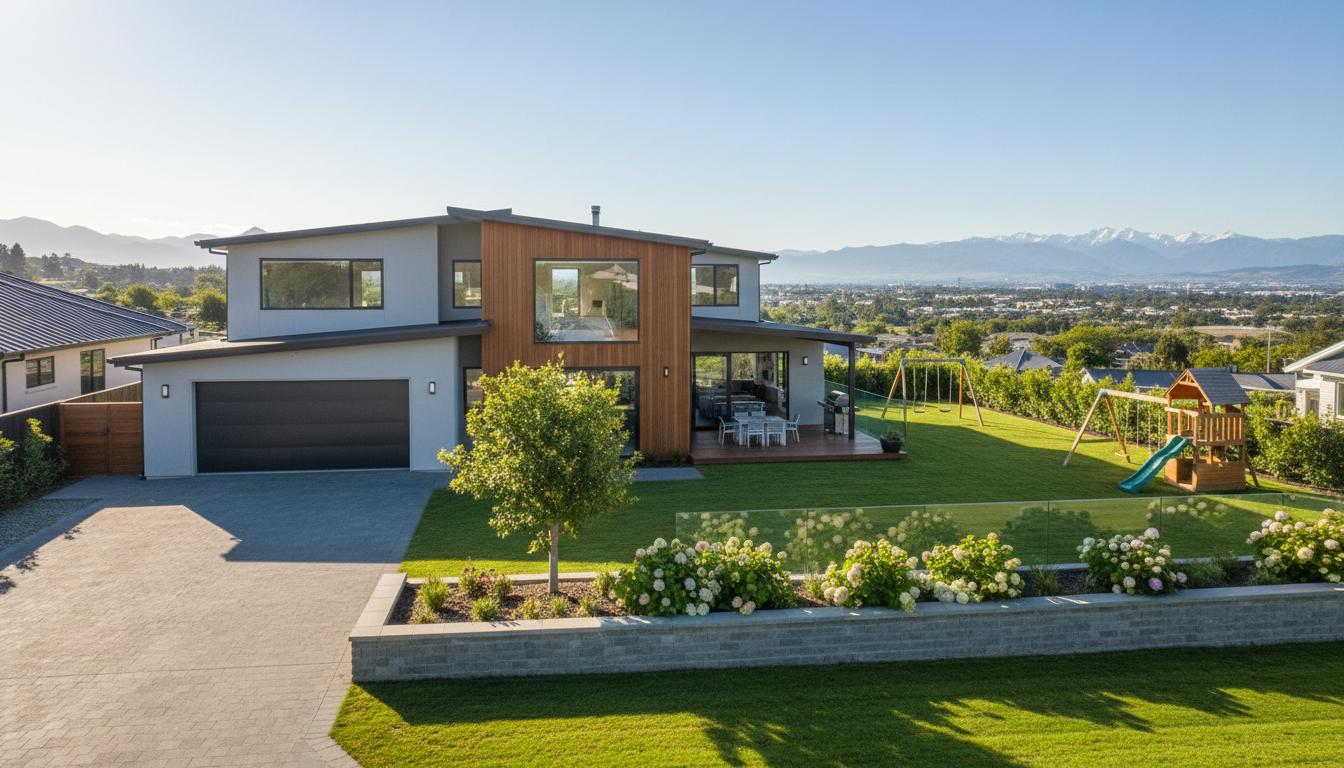
Looking for houses for sale Christchurch and not sure where to start? You’re in the right place. This guide walks you through the market, the buying process, the types of homes you’ll see around the city, and the trade-offs to consider. You’ll learn how sales methods work in Canterbury, what checks matter in a post-quake city, and how to choose a home that fits your life and budget.
What is
When people search for “houses for sale Christchurch,” they’re after current listings across the city and nearby towns in Greater Christchurch. That includes standalone homes, townhouses, units, apartments, lifestyle sections, and new builds from developers. Listings appear via real estate agencies, developer releases, and private sellers, usually marketed on Trade Me Property, realestate.co.nz, agency websites, and at local open homes.
In Christchurch, you’ll see properties sold by different methods—auction, deadline sale, tender, and negotiation. You’ll also come across unique local categories such as “as-is where-is” homes (typically earthquake-damaged and uninsured), post-2011 rebuilds built to modern standards, and classic character villas near the city’s blue-chip school zones.
How it works
Buying a house in Christchurch follows a familiar New Zealand process, with some Canterbury-specific checks due to seismic and land considerations.
- Get finance ready: Arrange a home loan pre-approval and line up your deposit. Check if you can use KiwiSaver first-home withdrawal. Policies change, so verify any government support that may apply.
- Define your brief: Budget, preferred suburbs, must-haves (bedrooms, parking), and nice-to-haves (office space, garden, school zones).
- Shortlist listings: Use saved searches for houses for sale Christchurch, set alerts, and plan open home visits.
- Do early due diligence: Ask for a property pack—LIM (from the council), title, sales history, insurance info, and any earthquake repair documentation.
- Get inspections: Commission a builder’s report. Consider a plumbing/drainage camera check and an electrical overview, especially for older or heavily renovated homes.
- Obtain insurance quotes: In Christchurch, insurers assess location, land/ground conditions, and past claims. Confirm insurability before you commit.
- Understand the sale method: If it’s auction, be ready to bid unconditionally. For deadline sale or negotiation, craft conditions (e.g., finance, builder’s report, LIM) and timeframes.
- Make an offer: Use the standard Sale and Purchase Agreement via your agent/solicitor. Be clear on chattels (e.g., heat pumps, curtains).
- Satisfy conditions: Complete all checks, confirm finance and insurance, and declare the agreement unconditional.
- Settle and move: On settlement day, funds are transferred, the title changes hands, and you collect the keys.
Key Canterbury twist: Post-quake land categories (historically TC1/TC2/TC3 on flat land) and repairs matter. Look for documentation of any earthquake work, foundation upgrades, and building consent records.
Types / examples
Christchurch has a wide mix of housing. Here’s how to think about the common types and where you might find them.
Stand-alone homes
Traditional Kiwi houses on freehold sections are common in suburbs like Halswell, Wigram, Cashmere, St Albans, and Northwood. Expect a garden, off-street parking, and more privacy. Maintenance can be higher than a townhouse.
Townhouses and city-fringe builds
Newer townhouses cluster around Addington, Sydenham, Edgeware, Richmond, and the central city. They’re popular with busy professionals and first-home buyers who want low maintenance and proximity to work, events, and hospitality.
Apartments
Inner-city apartments offer lock-and-leave convenience. Body corporate fees apply, and you’ll want to review earthquake strengthening, building reports, and insurance arrangements. Check whether the title is freehold or unit title.
Character villas and bungalows
Merivale, Fendalton, St Albans, and parts of Riccarton have homes with period charm, mature trees, and access to premium school zones. Look closely at wiring, insulation, cladding, and any seismic strengthening.
Hills and coastal homes
Cashmere, Governors Bay, Mount Pleasant, Redcliffs, and Sumner deliver views and lifestyle. On sloped sites, ask for geotechnical info and check retaining walls and access. Coastal areas may require extra attention to flood and erosion risk.
“As-is where-is” properties
Typically earthquake-damaged and sold without insurance. Usually for cash buyers with a strong appetite for risk and renovation. Due diligence is critical—scope of work, consent pathways, and realistic rebuild/repair costs.
Common sale methods compared
| Sale Method | How It Works | Pros | Watch-outs |
|---|---|---|---|
| Auction | Public bidding on a set date; if reserve is met, the highest bidder wins unconditionally. | Transparent; quick outcome; no conditional offers once sold under the hammer. | You must complete due diligence before the auction; finance and insurance need to be ready. |
| Deadline Sale | All offers presented by a set date; seller can accept, reject, or negotiate. | Time to add conditions; competition can still be strong. | Less transparent than auction; may become a multi-offer situation. |
| Negotiation / Price by Negotiation | Offer at any time; price is discussed between parties. | Flexible; you can tailor terms and timing. | Market value may be unclear; back-and-forth can be slow. |
| Tender | Sealed offers by a deadline; usually no further negotiation. | One best shot; clean process. | Limited ability to adjust terms after submission; less feedback during the process. |
Pros and cons
Why buy in Christchurch
- Relative affordability compared with Auckland and Wellington, for similar house size and land.
- Modern building standards on many post-2011 rebuilds and new subdivisions.
- Shorter commutes across a mostly flat city, with cycleways and a growing hospitality scene.
- Outdoor access: Port Hills tracks, beaches, Banks Peninsula, and ski fields within easy driving distance.
Trade-offs to consider
- Insurance complexity: underwriters pay close attention to location, ground conditions, and prior claims.
- Legacy earthquake issues: verify repair quality, consented work, and foundation solutions.
- Weather and exposure: frosty winters inland; check sun aspect, insulation, and heating.
- Flooding and liquefaction risk in certain areas—review council hazard maps and LIM notes.
How to use or choose
Match your lifestyle to the suburb
- City-fringe convenience: Addington, Sydenham, St Albans, and the CBD for short commutes and nightlife.
- Family-friendly space: Halswell, Wigram, Northwood, Casebrook, and parts of Riccarton.
- Hills and views: Cashmere, Mount Pleasant, and Redcliffs—great outlooks, sloped sites.
- Beach life: Sumner and New Brighton—surf, trails, and sea breezes.
- Greater Christchurch options: Rolleston and Rangiora offer newer homes and community amenities within commuting distance.
Focus your due diligence
- LIM report: Council records of consents, flooding, hazards, and infrastructure.
- Record of earthquake repairs: Scopes of work, invoices, and sign-offs if available.
- Title check: Freehold, cross-lease, or unit title; look for easements and covenants.
- Builder’s report: Structure, moisture readings, subfloor, roof condition, cladding, and weathertightness.
- Insurance quotes: Confirm insurability and any special conditions or excesses.
- Sun aspect and warmth: North-facing living is prized; double glazing, insulation, and heat pumps matter.
- Drainage and services: Gutter capacity, downpipes, sumps, and any pump stations on site.
- Parking and access: Off-street parking, turning space, and driveway rights if shared.
Choosing between common property types
- Standalone home: Space and privacy; higher upkeep; great for families or pets.
- Townhouse: Low maintenance; often new; check boundary lines, cladding, and any residents’ association.
- Apartment: Lock-and-leave; body corporate fees; review earthquake strengthening and long-term maintenance plans.
Budget smartly
- Allow for move-in costs: Legal fees, valuations, inspections, insurance, and rates.
- Set a buffer for immediate upgrades: Curtains, appliances, landscaping, and small repairs.
- Understand deposit norms: Many buyers aim for 20%, but lending criteria vary by bank and buyer profile.
Negotiation tips
- Be clear on your walk-away price and conditions.
- Short, clean conditions can help if competition is tight.
- Pre-book your inspector and solicitor so you can act fast.
FAQ
What should I prioritise when viewing houses for sale Christchurch?
Check structure, sun, layout, moisture, and evidence of earthquake repairs. Confirm insurance viability early and review the LIM and title before you offer.
Are auctions common in Christchurch?
Yes. Auctions are widely used for sought-after homes. You’ll need to complete due diligence and line up unconditional finance and insurance before bidding.
What are TC1, TC2, and TC3?
These were post-quake technical categories for flat land, indicating expected ground performance in future quakes. They can inform foundation solutions. Ask for geotechnical or repair documentation relevant to the property.
Can I get a mortgage for an “as-is where-is” home?
Usually not. Most banks require insurance, which these properties typically lack. Cash buyers or specialist lending may apply, but risk and costs are higher.
How do I check if earthquake repairs were done properly?
Ask for scopes of work, invoices, warranties, and any council sign-offs. Engage a qualified builder or engineer to assess foundations, subfloor, and structural elements.
What’s the difference between freehold, cross-lease, and unit title?
Freehold gives you full land ownership. Cross-lease involves shared land with lease arrangements—alterations may need neighbour consent. Unit title (common in apartments/townhouses) includes a body corporate and shared areas.
Do I need a LIM for every property?
It’s strongly recommended. A LIM highlights council-held information on consents, drainage, flooding, and hazards that may affect value and insurability.
Are new builds a good option in Christchurch?
They can be. You’ll get modern standards, efficient heating, and often lower maintenance. Review the developer’s track record, warranties, and the exact specification.
What about school zones?
Popular zones can influence price and competition. Check official zoning maps for schools like Burnside High, Cashmere High, and others if zoning matters to you.
How do I find the best deals on Christchurch houses?
Act fast on fresh listings, look beyond headline suburbs, and consider homes needing light cosmetic work. Understanding sale methods and having pre-approval gives you an edge.
Quick checklist before you offer
- Home loan pre-approval in place
- Insurance quote confirmed
- Builder’s report reviewed
- LIM and title checked
- Chattels list confirmed
- Clear conditions and timeframes ready
Christchurch sale methods at a glance
Auction is fast and unconditional. Deadline sale allows conditions but can be competitive. Negotiation offers flexibility. Tender is a sealed, one-shot bid. Choose your approach based on your risk tolerance, how much due diligence you still need, and how hot the listing is.
Where to start today
Set your budget, pick three target suburbs, and schedule open homes this weekend. Save searches for houses for sale Christchurch, build your due diligence toolkit, and talk to a local solicitor and mortgage adviser. With prep done, you’ll move quickly when the right home appears.