
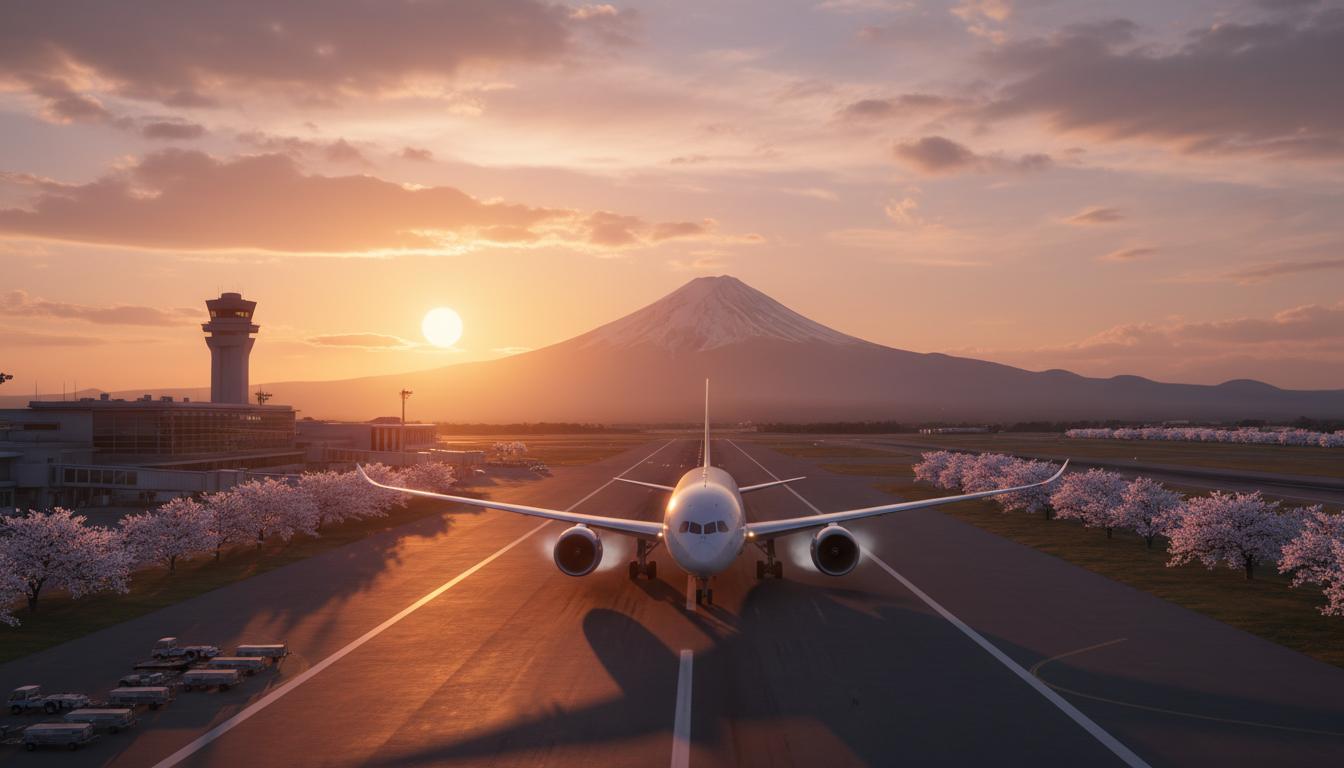
Planning flights to Japan from New Zealand can feel like a maze—two major Tokyo airports, shifting fares, and a calendar packed with seasonal demand. This guide cuts through the noise. You’ll learn how routes and pricing work, the difference between airports, when to book, and how to choose the right itinerary from Auckland, Wellington, or Christchurch. By the end, you’ll be ready to book with confidence—and likely save money.
What is
When Kiwis talk about flights to Japan, they usually mean travelling from Auckland, Wellington, or Christchurch to Tokyo, Osaka, or other major Japanese cities. Options include non-stop services (typically from Auckland to Tokyo when scheduled) and one-stop itineraries through hubs such as Sydney, Melbourne, Brisbane, Singapore, Hong Kong, Seoul, or Taipei. Most trips land at Tokyo’s Haneda (HND) or Narita (NRT), with Osaka Kansai (KIX) a strong choice for Kansai and western Japan.
The typical non-stop Auckland–Tokyo flight time is around 10–11 hours. One-stop journeys from Auckland, Wellington, or Christchurch generally range from 13 to 20 hours, depending on the layover.
How it works
Routes and connections
From New Zealand, the most straightforward option is a non-stop Auckland–Tokyo service when available. Otherwise, one-stop routes are common. You might fly Auckland–Sydney–Tokyo, Wellington–Auckland–Tokyo, or Christchurch–Singapore–Tokyo, among many combinations. The best route balances total travel time, layover length, and price.
Fares and booking logic
- Airlines release seats in fare “buckets.” The cheapest buckets sell first, so early planners often pay less.
- Prices track demand. Cherry blossom (late March–early April), Golden Week (late April–early May), summer holidays (July–August), and New Year are peak periods for flights to Japan.
- Codeshares are common. You might book with one airline and fly a partner on part of the route. That’s normal—just check baggage rules and transfer times.
- Round-trip is usually cheaper than two one-ways, but an “open-jaw” can be smart: fly into Tokyo and out of Osaka to avoid backtracking on the ground.
Airports at the Japan end
- Haneda (HND): closer to central Tokyo, often better for late-night arrivals and early departures.
- Narita (NRT): more long-haul capacity, wider range of international services, longer transfer into the city.
- Kansai (KIX): the main gateway for Osaka, Kyoto, Nara, and Kobe.
Practicalities for New Zealanders
- Passport and entry: New Zealand passport holders can usually visit Japan visa-free for short stays. Always check the latest entry rules before you book.
- Transit rules: If you connect via another country, confirm any transit visa requirements for that hub.
- Time difference: Japan is typically 3–4 hours behind New Zealand, depending on daylight saving. Plan for mild jet lag.
Types / examples
Typical itinerary types
- Non-stop: Auckland to Tokyo (when scheduled). Fast, simple, usually pricier than one-stop options.
- One-stop via Australia: AKL/WLG/CHC to Sydney, Melbourne, or Brisbane, then to Tokyo or Osaka.
- One-stop via Asia: Connect in Singapore, Hong Kong, Seoul, or Taipei for strong schedules and service.
- Multi-city: Into Tokyo (HND/NRT), out of Osaka (KIX), or the reverse, ideal for travellers who want to see more without doubling back.
Cabin classes you’ll see
- Economy: Lowest cost, tightest space. Look for seats with extra legroom if you’re tall.
- Premium Economy: Wider seat, extra legroom, often priority services—good value on long-haul flights to Japan.
- Business: Lie-flat seats, lounge access, flexible tickets—best for rest and if you have points to burn.
Example routes from New Zealand
- Auckland to Tokyo: Non-stop when available; otherwise one-stop via Australia or Asia.
- Wellington to Japan: Usually one-stop via Auckland or via an overseas hub.
- Christchurch to Japan: One-stop via Auckland, Sydney, Melbourne, Brisbane, or Singapore are common patterns.
Tokyo and Osaka airport comparison
| Airport | Best for | Transfer time to city | Why choose it | Watch-outs |
|---|---|---|---|---|
| Haneda (HND) | Central Tokyo stays | ~20–40 minutes | Closest to major districts; easier late-night arrivals | Some international flights can be pricier or sell out fast |
| Narita (NRT) | Wide long-haul options | ~50–90 minutes | Often more seat availability on long-haul routes | Longer trip into central Tokyo; plan arrival time carefully |
| Kansai (KIX) | Osaka, Kyoto, Nara | ~45–70 minutes | Great for Kansai-focused itineraries and open-jaw trips | Fewer long-haul options than Tokyo; check late arrivals |
Pros and cons
Non-stop vs one-stop flights to Japan
- Non-stop pros: Fastest, simplest, less chance of missed connections, easier with kids.
- Non-stop cons: Often more expensive, fewer daily departures to choose from.
- One-stop pros: More competition and dates, potential savings, flexible timing.
- One-stop cons: Longer travel day, added risk if there are delays, possible transit visa rules.
Haneda vs Narita for New Zealand travellers
- Haneda pros: Short commute to central Tokyo, great for late arrivals.
- Haneda cons: Popular flights can be pricier and sell out quickly.
- Narita pros: Strong long-haul capacity and availability.
- Narita cons: Longer, costlier transfer into Tokyo; plan for daytime arrivals if possible.
Cabin class trade-offs
- Economy: Lowest fare, but comfort varies by seat pitch and aircraft.
- Premium Economy: Noticeably better comfort for a modest premium, strong value on 10–11 hour sectors.
- Business: Best sleep and flexibility; ideal if using points and status benefits.
How to use or choose
Step-by-step: Find the best flights to Japan from NZ
- Pick your entry city: If your trip focuses on Tokyo, consider Haneda first; for Kyoto/Osaka, aim for Kansai or use open-jaw (into HND/NRT, out of KIX).
- Set flexible dates: Search ±3 days. Shoulder seasons (late May–June, September–early December outside holidays) often price better.
- Compare non-stop and one-stop: Check total travel time plus layover length. Avoid tight connections under 90 minutes on international transfers.
- Check both Tokyo airports: Price and schedule can swing depending on HND vs NRT.
- Test origin options: From Wellington or Christchurch, compare connecting via Auckland to routing via Australia or Asia.
- Verify baggage and seat fees: Low base fares can hide charges for bags, seats, and meals on some legs.
- Use alerts: Set fare alerts with your preferred comparison site and airline newsletter.
- Look at points: See if your bank or airline points convert to a partner with good award space to Japan.
- Book when it’s right: If a good fare appears on the dates you want, don’t wait—popular Japan dates sell out.
- Plan arrival logistics: Preload train or airport limo bus info; arriving late at Narita needs a plan.
What to consider before you click “buy”
- Total journey time vs price: A slightly higher fare for 3–4 hours saved can be worth it.
- Aircraft and seat map: Newer cabins or premium economy can change how you feel on day one in Japan.
- Connection reliability: Choose hubs with solid on-time records and sufficient layover buffers.
- Change rules: Semi-flexible fares can pay off if plans shift.
- Travel insurance: Useful for delays and missed connections, especially in winter or typhoon season.
FAQ
How long is the flight from New Zealand to Japan?
Non-stop Auckland to Tokyo is usually about 10–11 hours. One-stop itineraries from Auckland, Wellington, or Christchurch commonly run 13–20 hours depending on layover length and routing.
Are there direct flights to Japan from Auckland?
Non-stop Auckland–Tokyo services operate in some seasons and schedules can change. If non-stop dates don’t suit, one-stop options via Australia or Asia are widely available.
What’s the best time to book flights to Japan?
For popular travel windows—cherry blossom (late March–early April), Golden Week, summer holidays, and New Year—book early. For shoulder seasons, deals can appear 2–5 months out. Set fare alerts and act quickly when you see a good price.
Which Tokyo airport should I choose: Haneda or Narita?
Pick Haneda for the shortest transfer to central Tokyo and for late-night arrivals. Choose Narita for broader long-haul availability or if the schedule and fare are better. Always compare both.
Do New Zealanders need a visa for Japan?
New Zealand passport holders can typically enter Japan visa-free for short visits. Requirements can change, so check official guidance before you travel.
What are the cheapest months for flights to Japan?
Outside peak periods, late May–June and parts of September–early December (excluding major holidays) often offer better value. Prices vary by route and demand, so compare across a few weeks.
Can I fly into Tokyo and out of Osaka?
Yes. An open-jaw ticket—into HND or NRT and out of KIX—is a smart way to see more without retracing your steps. It often prices close to a standard return.
Are there direct flights to Japan from Wellington or Christchurch?
Direct long-haul services are uncommon from Wellington and Christchurch to Japan. Most travellers connect via Auckland or an overseas hub.
How can I reduce jet lag on flights to Japan?
- Shift sleep by 1–2 hours a few days before departure.
- Stay hydrated, limit caffeine and alcohol, and try short naps only.
- On arrival, get daylight exposure and keep moving until local evening.
What about baggage rules and seat selection?
Rules differ by airline and fare type. Codeshares can complicate things. Check the allowance and fees for every flight segment before you buy, especially if mixing carriers.
Any tips for families or skiers?
- Families: Prioritise non-stop or generous layovers; pre-book adjacent seats; pack snacks and entertainment.
- Ski trips (Hokkaido/Nagano): Allow buffer time for winter weather. Consider flying into Tokyo for Nagano or Sapporo (CTS) for Hokkaido, with a domestic connection if needed.
Final takeaway for New Zealand travellers
Start broad, compare both Tokyo airports, and keep dates flexible. For flights to Japan, a balanced plan—smart timing, sensible layovers, and clear priorities—beats chasing the absolute lowest fare. Book when the right mix of price and schedule appears, and you’ll land ready to enjoy your first bowl of ramen, not recover from a marathon journey.