
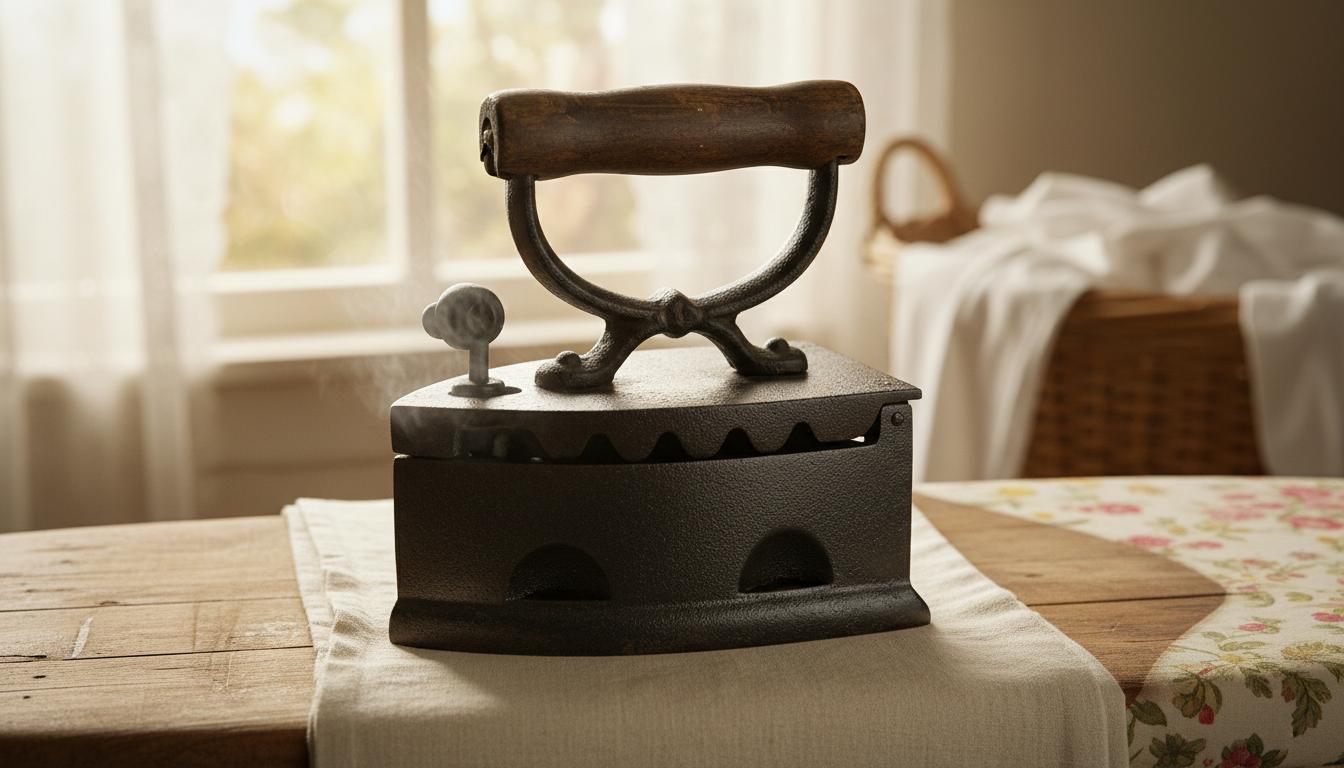
One short word covers a lot. Iron is the nutrient that keeps your blood carrying oxygen, the metal behind our bridges and skillets, and the household tool that smooths the morning rush. If you live in Aotearoa New Zealand, understanding iron pays off—from what to eat and when to supplement, to whether a cast iron pan or a steam iron suits your home.
This guide breaks down what iron is, how it behaves in the body and in daily life, which types to consider, and practical steps to use it well.
What is
Iron is a chemical element (Fe), a common metal found in Earth’s crust, and an essential nutrient. It matters in three everyday ways:
- As a nutrient: iron helps haemoglobin in red blood cells carry oxygen. Without enough, you feel tired, weak, and short of breath.
- As a metal: iron forms strong alloys like steel. In New Zealand, ironsand (titanomagnetite) from the west coast feeds local steelmaking.
- As an appliance: a clothes iron uses heat and steam to relax fibres so garments look sharp again.
For New Zealanders, iron also has a local flavour: lamb and beef are rich dietary sources, green-lipped mussels bring a seafood boost, and that heavy cast iron pan might be the best tool on the bach barbecue.
How it works
In the body
Iron sits at the centre of oxygen transport. Haemoglobin in your blood and myoglobin in your muscles both use iron to bind oxygen. Many enzymes also rely on iron to make energy and support immunity.
Absorption happens mainly in the small intestine. Two forms arrive in your gut:
- Haem iron from animal foods—absorbed efficiently.
- Non-haem iron from plants and fortified foods—absorption varies more.
Your liver hormone hepcidin controls how much iron gets through. Low iron stores lower hepcidin, opening the gate; high stores raise it, closing the gate. Vitamin C helps non-haem iron absorb better, while tea, coffee, calcium, and high-fibre phytates can slow it down if taken with meals.
As a metal
Pure iron is soft, magnetic, and quick to rust when exposed to oxygen and moisture. Mix in carbon and other elements and you get steel—tough, versatile, and the backbone of buildings, vehicles, and tools. Cast iron holds heat exceptionally well, which is why it sears steaks like a pro.
As a clothes iron
Wrinkles are tiny crumples held by hydrogen bonds in fabric fibres. A hot soleplate—and better yet, steam—breaks and resets those bonds so fibres lie flat. Heat settings match fibre type: cool for synthetics, medium for wool, high for cotton and linen.
Types / examples
Dietary iron sources common in New Zealand
- Heme iron (higher absorption): beef, lamb, venison, liver (small amounts), chicken thighs, tuna, salmon, mussels, pipi and tuatua.
- Non-heme iron: legumes (lentils, chickpeas, baked beans), tofu, pumpkin seeds, almonds, spinach, silverbeet, wholegrain bread, oats, and many fortified breakfast cereals (check the label).
Daily needs vary by age and life stage. As a guide, many adult men need about 8 mg/day, and many premenopausal women need about 18 mg/day. Pregnancy requires more. If you’re unsure, talk with your GP or practice nurse about what’s right for you.
Iron supplements
When food alone isn’t enough—or ferritin tests show low stores—your clinician may suggest an iron supplement. Common options differ in how much elemental iron they deliver and how they feel on the gut.
| Supplement type | Approx. elemental iron per standard tablet/capsule | Pros | Cons | Notes |
|---|---|---|---|---|
| Ferrous sulfate (e.g., 325 mg) | ~65 mg elemental iron | Well-studied, widely available, affordable | Can cause nausea, constipation, dark stools | Often taken every other day to improve absorption and comfort |
| Ferrous fumarate (e.g., 300 mg) | ~95–100 mg elemental iron | Higher dose in a single tablet | More GI side effects for some | May suit alternate-day dosing; follow medical advice |
| Ferrous gluconate (e.g., 300 mg) | ~30–38 mg elemental iron | Often gentler on the stomach | Lower iron per tablet | Useful if you are sensitive to other forms |
| Polysaccharide/“gentle” iron complexes | Varies by brand (often 50–100 mg) | Fewer GI symptoms for some people | More expensive | Absorption can vary; check dosing with your clinician |
| Heme iron polypeptide | Varies (often 10–12 mg) | Absorbs well at lower doses | Costly, not always stocked | May help if non-haem forms are not tolerated |
Tip: Iron is best absorbed away from tea/coffee and large calcium doses. Pair with vitamin C–rich foods like kiwifruit or capsicum.
Iron as a metal: cookware and beyond
- Cast iron: superb heat retention, builds a natural seasoning, lasts decades.
- Carbon steel: lighter than cast iron, fast to heat, strong sear.
- Stainless steel: iron alloy that resists rust, great for saucing and browning.
- New Zealand ironsand: local titanomagnetite used at Glenbrook to make steel products.
Clothes irons and steam systems
- Traditional steam iron: compact, good for most homes.
- Steam generator: separate boiler for higher steam output—fast for big laundry loads.
- Cordless iron: agile for tricky areas; needs frequent reheating.
- Travel iron/steamer: small footprint for trips and quick touch-ups.
Pros and cons
Dietary iron
- Pros: supports energy, focus, immunity, healthy pregnancy, and physical performance.
- Cons: deficiency is common in menstruating and pregnant people and in toddlers; too much iron from supplements can irritate the gut; iron overload (e.g., hereditary haemochromatosis) is harmful if unmanaged.
Iron cookware
- Pros: high heat searing, even cooking, oven-safe, durable, can add a small amount of dietary iron to acidic dishes.
- Cons: heavy, can rust if left wet, reactive with long-simmered acidic sauces unless well seasoned.
Clothes iron
- Pros: crisp finish, longer garment life, quick refresh with steam.
- Cons: uses electricity, risk of scorching if misused, limescale buildup in hard-water areas.
How to use or choose
Boost your iron the smart way (step-by-step)
- Get tested first: ask your GP for a ferritin and full blood count if you have fatigue, pale skin, shortness of breath, or frequent infections.
- Prioritise heme iron: include beef, lamb, venison, or seafood like mussels a few times a week if you eat animal foods.
- Layer plant sources: add beans, tofu, leafy greens, seeds, and iron-fortified cereals.
- Add vitamin C: pair iron-rich meals with kiwifruit, oranges, berries, tomatoes, or capsicum.
- Time your tea/coffee: wait at least an hour after meals or supplements.
- Supplement only if advised: use the dose, schedule (often alternate days), and duration your clinician recommends.
- Recheck levels: test again after 6–8 weeks to confirm iron stores are rising.
Season and care for cast iron
- Wash, dry thoroughly on the hob, then rub a thin film of high-smoke-point oil over all surfaces.
- Bake upside down at about 200–230°C for an hour; cool in the oven.
- After cooking, avoid soaking. Wipe, scrub with hot water and a brush, dry well, and oil lightly.
Choosing a clothes iron in New Zealand
- Wattage and heat-up: 2000–3000W heats fast and maintains temperature.
- Steam output: look for consistent steam (g/min) and a strong steam shot for linen and cotton.
- Soleplate: stainless steel glides and resists scratches; ceramic spreads heat evenly.
- Water and limescale: NZ water hardness varies by region; choose anti-scale features or use demineralised water if needed.
- Safety: auto shut-off and stable heel rest are must-haves.
- Ergonomics: comfortable handle, long swivel cord (or reliable cordless base), clear tank.
- Local support: NZ plug and voltage (230V), accessible parts, and a solid warranty.
FAQ
How much iron do I need?
Needs depend on age and life stage. Many adult men require about 8 mg/day. Many women aged 19–50 need about 18 mg/day, and more in pregnancy. Your health professional can tailor advice to you.
What are common signs of low iron?
Fatigue, pale skin, dizziness, shortness of breath on exertion, headaches, brittle nails, hair shedding, and restless legs. Children may show irritability or poor concentration. A blood test confirms the cause.
Can I get enough iron on a vegetarian diet?
Yes, with planning. Rely on legumes, tofu, whole grains, seeds, leafy greens, and iron-fortified foods. Add vitamin C at meals and space tea/coffee away. Consider testing and, if needed, guided supplementation.
Do tea and coffee block iron?
They can reduce non-haem iron absorption when sipped with meals or supplements. Leave at least an hour before or after iron-rich food or tablets.
Should I take iron “just in case”?
No. Too much iron is harmful, and symptoms of fatigue have many causes. Test first and follow medical advice. If you have a family history of haemochromatosis or unexplained high ferritin, see your GP.
Does cooking in cast iron increase iron in food?
A little, especially with acidic, moist dishes like tomato sauce, and more so in newer, less-seasoned pans. It won’t replace a balanced diet or supplements if you are deficient.
What’s the best way to remove rust from cast iron?
Scrub with steel wool or a chainmail scrubber until clean, rinse, dry over heat, then re-season with a thin coat of oil and an hour in a hot oven.
How do I prevent limescale in my steam iron?
Empty the tank after use, use the self-clean function as instructed, and consider demineralised water if your area has hard water. Check the manual for your model’s guidance.
Who can I call in NZ for health advice about iron?
Healthline is available on 0800 611 116 for free 24/7 advice. For testing and prescriptions, contact your GP or practice nurse.
Bottom line
Iron touches your health, your kitchen, and your laundry. Know your levels, choose the right tools, and use a few smart habits—vitamin C with meals, good care for cast iron, and a safe, capable clothes iron—to get more from this unassuming powerhouse.