
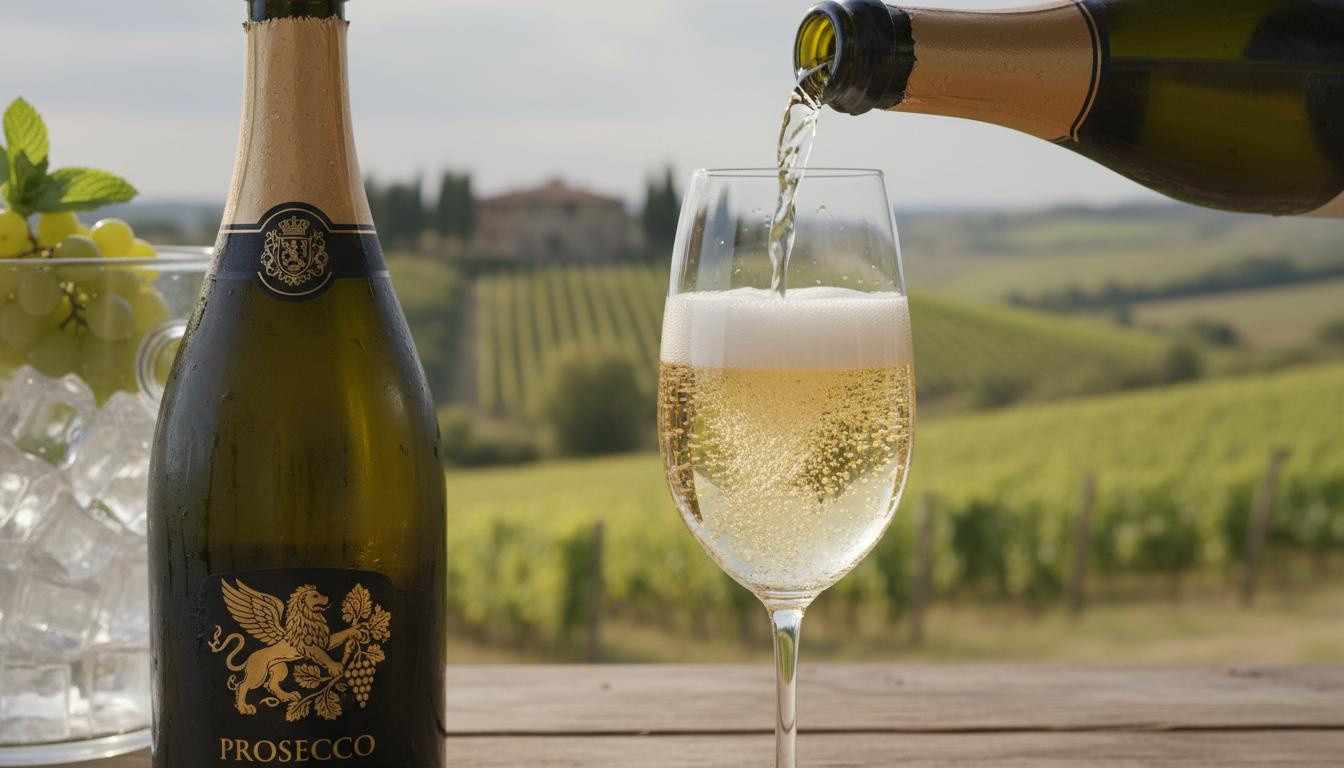
Love the lift of sparkling wine but not keen on Champagne prices? Prosecco offers crisp fruit, gentle florals, and a joyful fizz that suits Friday nibbles, a backyard BBQ, or a wedding toast. This guide explains what prosecco is, how it’s made, the styles to know, how to pick a great bottle in New Zealand, and the pros and cons—plus answers to the questions people actually ask.
What is
Prosecco is an Italian sparkling wine made primarily from the Glera grape. It comes from the northeast of Italy, especially Veneto and Friuli Venezia Giulia. The best-known areas are Conegliano Valdobbiadene and Asolo, which hold the top-quality DOCG status. The wider area is labelled Prosecco DOC.
Most prosecco is made sparkling in tank (more on that below), which keeps the wine fresh and aromatic. Expect notes of green apple, pear, white peach, citrus, and acacia. Alcohol is usually modest—about 10.5–11.5% ABV—so it’s easy to enjoy with food.
Label terms you’ll see:
- Prosecco DOC: Broad appellation across Veneto and Friuli Venezia Giulia.
- Prosecco Superiore DOCG: Higher-altitude hills around Conegliano Valdobbiadene; often more refined.
- Asolo Prosecco DOCG: From the Asolo hills; typically dry, elegant, mineral.
- Prosecco Rosé DOC: Introduced in 2020; Glera blended with 10–15% Pinot Noir (Pinot Nero), pale pink, vintage-dated.
Fizz levels:
- Spumante: Fully sparkling (over 3 bar of pressure).
- Frizzante: Lightly sparkling (1–2.5 bar).
- Tranquillo: Still (rare in NZ).
Sweetness levels (residual sugar):
- Brut: 0–12 g/L (crispest).
- Extra Dry: 12–17 g/L (classic prosecco balance, slightly off-dry).
- Dry: 17–32 g/L (noticeably sweeter).
How it works
Prosecco gets its bubbles via the Charmat (also called Martinotti or tank) method. Instead of the second fermentation in each bottle (like Champagne), it happens in a sealed stainless-steel tank. This preserves delicate fruit and florals while keeping costs sensible.
- Harvest: Mostly Glera grapes are picked for freshness and moderate sugar ripeness.
- Primary fermentation: Juice becomes a still base wine in stainless steel.
- Blend: Winemakers may blend parcels for balance and consistency.
- Second fermentation: Base wine goes into a pressurised tank with yeast and sugar.
- Bubbles form: CO₂ from fermentation dissolves into the wine under pressure.
- Chill and stabilise: Temperature control locks in aromatics.
- Dosage and style: The final sugar level sets Brut, Extra Dry, or Dry.
- Bottling under pressure: Wine is filtered and bottled to keep the fizz.
Because the process is quick (weeks rather than many months or years), prosecco tastes youthful and fruit-forward. A traditional, unfiltered bottle-fermented style called “col fondo” (now often labelled “sui lieviti”) exists too—cloudy, savoury, and bone-dry—though it’s niche in New Zealand. Prosecco Rosé DOC requires at least 60 days of tank fermentation and must carry a vintage (“Millesimato”).
Types / examples
By fizz
Spumante is the most common in New Zealand and brings a lively, persistent bead. Frizzante is gentler and picnic-friendly. Tranquillo is a curiosity—interesting for tastings but rarely seen on local shelves.
By sweetness
Brut reads zesty and dry, great with seafood. Extra Dry—the classic prosecco taste—balances green apple and soft sweetness, perfect for an Aperol Spritz. Dry tastes richer and suits spicy dishes or dessert fruit.
By origin and quality
- Prosecco DOC: Easy-drinking, reliable, wallet-friendly.
- Conegliano Valdobbiadene Prosecco Superiore DOCG: Hill-grown grapes; more texture and finesse.
- Asolo Prosecco DOCG: Often mineral and structured; widely Brut or Extra Brut.
- Rive (DOCG): Single-village or single-slope wines; extra detail and character.
- Cartizze (DOCG): The top cru; layered, often off-dry and luxurious.
- Prosecco Rosé DOC: Pale, citrus-and-berry sparkle; drier styles are common.
| Style/Category | Typical Sweetness | Aromas & Texture | ABV (approx.) | Best For | NZ Pairing Idea | Typical NZ Price Range |
|---|---|---|---|---|---|---|
| Prosecco DOC Spumante | Extra Dry or Brut | Green apple, pear; lively mousse | 10.5–11.5% | Aperitivo, Spritz, parties | Fish and chips, sushi, veggie platters | $16–$30 |
| Prosecco Superiore DOCG | Brut to Extra Dry | White peach, citrus blossom; finer texture | 11–11.5% | Special dinners, gifting | Bluff oysters, goat cheese, grilled prawns | $30–$60+ |
| Asolo Prosecco DOCG | Brut/Extra Brut | Mineral, crisp; drier palate | 11–11.5% | Seafood and salads | Crayfish, ceviche, fresh herbs | $30–$50+ |
| Prosecco Rosé DOC | Brut to Extra Dry | Strawberry, watermelon; bright finish | 11–11.5% | Brunch, summer picnics | Pavlova with berries, cured salmon | $20–$40 |
| Frizzante (DOC) | Extra Dry | Light fizz; soft fruit | 10.5–11% | Casual lunches, BYO | Antipasti, fresh mozzarella, olives | $15–$25 |
Occasions that suit NZ life
- Weeknight takeaways: Brut prosecco cuts through fried chicken or dumplings.
- Beach or bach: Frizzante travels well chilled in an esky; pour into tumblers.
- BBQ and potluck: Extra Dry works with sausage sizzles, salads, and dips.
- Celebrations: DOCG for a more polished toast without Champagne pricing.
- Cocktails: Prosecco is the backbone of an Aperol Spritz, Hugo, Bellini, and Sgroppino.
Pros and cons
- Pros:
- Fresh, fruit-driven flavours most people enjoy.
- Often lower alcohol than many still wines.
- Great value; wide choice in NZ supermarkets and bottle stores.
- Versatile: aperitif, with food, or in cocktails.
- Clear labelling for sweetness and fizz level.
- Cons:
- Generally less complex than long-aged traditional-method wines.
- Sweeter styles can taste cloying if you expect bone-dry.
- Not built for long cellaring; best within 1–2 years of bottling.
- Quality varies; DOCG and trusted producers are safer bets.
How to use or choose
Step-by-step: choose the right prosecco
- Decide on sweetness: pick Brut for crisp, Extra Dry for classic balance, Dry for a softer finish.
- Choose fizz level: Spumante for celebration sparkle; Frizzante for casual sipping.
- Check origin: DOC for value; DOCG (Conegliano Valdobbiadene or Asolo) for finer detail.
- Look for Prosecco Rosé if you want berry notes and a pale pink hue.
- Scan the label date: fresher is better; prosecco shines young.
- Match to food: Brut with oysters and fish; Extra Dry with canapés and salads; Dry with spicy or fruity dishes.
- Set a budget: in NZ, tasty DOC often sits around $16–$30; DOCG runs higher.
- Consider sustainability: organic or low-intervention options are increasingly available.
Serving and storage tips
- Chill to 6–8°C for Spumante; 8–10°C for Frizzante.
- Use a tulip-shaped sparkling or white wine glass (better aromatics than a narrow flute).
- Open gently: keep the cork pointed away, hold the cork, twist the bottle, and aim for a quiet sigh, not a pop.
- Use a sparkling stopper and refrigerate after opening; best within 1–3 days.
- Store unopened bottles upright in a cool, dark place; enjoy within 12–24 months of bottling.
Cocktails Kiwis actually make
- Aperol Spritz: 3 parts prosecco, 2 parts Aperol, splash of soda, orange slice.
- Hugo: prosecco, elderflower liqueur or syrup, soda water, mint, lime.
- Bellini: white peach purée topped with well-chilled prosecco.
- Sgroppino: a scoop of lemon sorbet whisked with vodka and prosecco.
FAQ
What’s the difference between prosecco and Champagne?
Origin and method. Prosecco comes from northeast Italy and is made via the tank (Charmat/Martinotti) method for bright fruit and freshness. Champagne comes from France’s Champagne region and is made by the traditional method with in-bottle ageing on lees, giving toasty, brioche notes and more complexity. Both are sparkling wine styles; neither is “better” outright—just different.
Is prosecco dry or sweet?
Most prosecco is Brut (dry) or Extra Dry (off-dry with a soft edge). If you like zero sweetness, look for Brut or even Extra Brut in Asolo DOCG. For a fruitier, rounder taste, choose Extra Dry or Dry.
What does “Millesimato” mean on a prosecco label?
It’s vintage-dated prosecco, mostly from one harvest year. Many Prosecco Rosé DOC wines must be Millesimato, and you’ll often see the term on DOCG bottles too.
How many standard drinks are in a 750 ml bottle?
In New Zealand, a 750 ml bottle at 11% ABV is about 6.5 standard drinks (0.75 L × 11% × 0.789). Always pace yourself and never drink and drive.
Can I cellar prosecco?
Generally, no. Prosecco is made to drink young. DOCG bottles from top sites can hold a year or two, but the appeal is freshness. If in doubt, open it.
Is prosecco vegan and gluten-free?
Wine is naturally gluten-free. Many proseccos are vegan-friendly, but some may use animal-based fining agents. Check the label or the producer’s website if this matters to you.
What food pairs well with prosecco?
Brut: oysters, prawns, sashimi, fried foods. Extra Dry: charcuterie, cheeses, salads, pizzas. Dry: spicy Asian dishes, fruit tarts, pavlova with berries. Prosecco Rosé adds a berry note that flatters salmon and soft cheeses.
Why does some prosecco taste sweeter even when it says “Brut”?
Fruit flavours can create an impression of sweetness even at low sugar levels. Temperature matters too—warmer wine tastes rounder. Chill Brut well to keep it crisp.
What glass should I use?
A tulip-shaped sparkling glass or small white wine glass shows off aromas and keeps the bead lively. Flutes look festive but can mute aroma; coupes lose bubbles fast.
How do I spot quality quickly?
Look for DOCG (Conegliano Valdobbiadene or Asolo), “Rive,” or “Cartizze” on labels. Consistent producers and recent bottling dates also help. If you prefer bone-dry, pick “Brut.”
Is prosecco expensive in New Zealand?
You’ll find solid Prosecco DOC from around $16–$30 and premium DOCG from about $30–$60+. Sales are common, and there’s good selection in major supermarkets and bottle stores across Aotearoa.
Does prosecco work in a Spritz only?
No. It’s great solo, with food, and in a range of cocktails. Try a Hugo for something herbal and refreshing, or a simple Bellini with ripe peaches.
Final sip
If you want a sparkling that’s bright, affordable, and food-friendly, prosecco is hard to beat. Choose Brut for crispness, Extra Dry for the classic style, and DOCG when you want extra polish. Keep it cold, pour it young, and enjoy the lift it brings to everyday meals and big moments alike.