
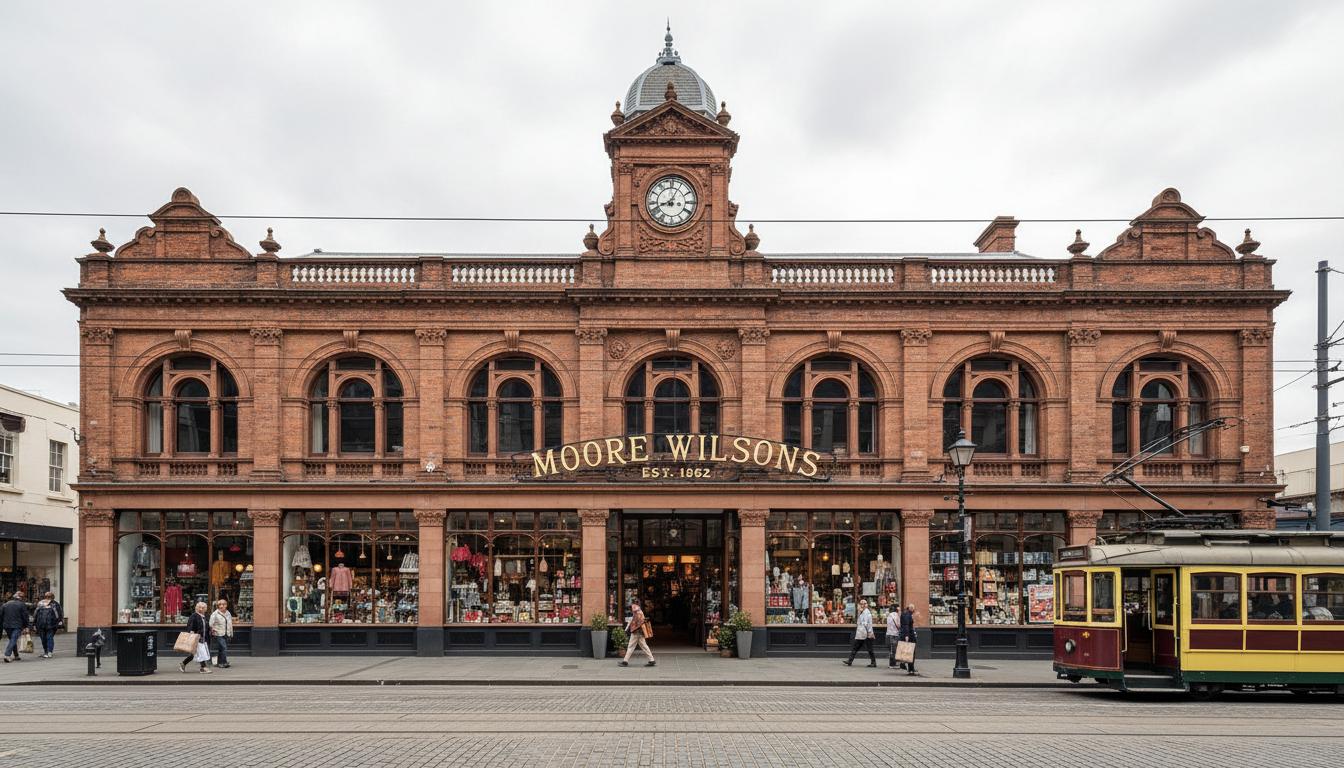
If you live anywhere near Wellington, you’ve probably heard people rave about Moore Wilson’s. Searchers often type “moore wilsons” and land on a treasure trove: a place where chefs and home cooks shop side by side, where bulk buys sit next to artisan treats, and where seasonal produce drives what’s for dinner. This guide explains what Moore Wilson’s is, how it works, what you’ll find inside, and smart ways to shop it—whether you’re feeding a flat, a family, or a full dining room.
What is
Moore Wilson’s is an independent, New Zealand‑owned wholesale–retail food and homewares business based in the Wellington region. It blends a professional hospitality supply model with a public market feel. The stores are open to everyone, with extra benefits for registered trade customers.
Think fresh fruit and veg, butchery, seafood, deli and cheese counters, specialty grocery, a serious wine–beer–spirits selection, plus kitchenware, packaging, and gifts. It’s a one‑stop for cooks, bakers, baristas, bartenders, and anyone who loves good food.
Main locations serve the Wellington region, including a flagship site in the central city (Tory Street), along with stores in Porirua and Masterton. Hours vary by site; check the official website before you go.
How it works
Moore Wilson’s runs on a simple idea: sell professional‑grade products in both single units and bulk, keep quality high, and welcome the public without paywalls or membership cards. The model has two overlapping sides.
For everyday shoppers
- Walk in—no membership needed. Browse Fresh for produce, meat, seafood, bakery, deli, and cheese.
- Choose retail sizes for the pantry, or trade packs if you want better unit pricing or to stock up.
- Shop the Cellar for wine, craft beer, and spirits; pick up cookware, knives, and gadgets upstairs or nearby.
- Pricing is clearly ticketed; specials change with seasons and supplier runs.
For hospitality trade
- Apply for a trade account to access business invoicing and tailored pricing on nominated lines.
- Buy by the case, bag, or bale—flour, oil, dairy, barista supplies, packaging, cleaning, and more.
- Leverage consistent specs (e.g., carton sizes, standardised cuts) that work for kitchen prep and bar service.
What to expect in store
- Fresh counters run like a market: order by weight, ask staff for cuts, tastings, or pairing tips.
- Seasonality drives selection. Prices shift with the markets, especially for produce and seafood.
- On‑site parking at major locations makes bulk buying practical.
Types / examples
Here’s a quick map of what you’ll usually find at Moore Wilson’s, with examples that show the range (exact products vary by season and supplier):
Fresh food halls
- Produce: seasonal fruit and veg, New Zealand‑grown where possible, plus specialty items.
- Butchery: everyday cuts and chef‑friendly options; free‑range and specialty sausages often feature.
- Seafood: fresh fillets and shellfish subject to catch and availability.
- Bakery: breads, pastries, and baked goods from selected bakeries.
- Deli and cheese: local and imported cheeses, charcuterie, olives, and antipasti.
Grocery and specialty
- Dry goods: grains, flour, pasta, rice, tinned staples, Asian ingredients, baking essentials.
- Condiments and sauces: hot sauces, oils, vinegars, and pastes used in professional kitchens.
- Snacks and sweets: craft chocolate, nuts, and treats you won’t always find at the supermarket.
Beverages
- Wine: New Zealand regions well represented alongside key international styles.
- Beer and cider: mainstream to craft; chilled storage common at larger sites.
- Spirits and mixers: cocktail standards, liqueurs, and niche bottles for bartenders.
- Non‑alcoholic: tonics, juices, and low/no‑alcohol options.
Kitchenware, home, and more
- Cookware and tools: pans, knives, bakeware, thermometers, and bar tools.
- Tabletop and glassware: plates, service pieces, stemware, and durable tumblers.
- Packaging and cleaning: takeaway containers, cups, wraps, and cleaning supplies for trade.
- Gifts and toys: a curated selection for birthdays, holidays, and celebrations.
Pros and cons
Pros
- Open to everyone, no paid membership required.
- Wide, chef‑level range alongside everyday staples.
- Bulk options and case buys can reduce unit costs.
- Strong focus on seasonal and New Zealand producers.
- Knowledgeable staff at counters that actually help.
- On‑site parking at major stores simplifies big shops.
Cons
- Limited to Wellington region; no national store network.
- Not all lines are cheaper than supermarkets—value depends on size and brand.
- Selection shifts with seasons; specific items may sell out.
- Peak times can be busy, especially weekends and pre‑holiday periods.
How to use or choose
Step‑by‑step: a smart first shop at moore wilsons
- Make a loose plan. List your meals for the week and note any bulk items you actually use.
- Check today’s needs vs. long‑term staples. Fresh first, then pantry and cleaning.
- Head to Fresh early. You’ll get the best pick of produce, seafood, and bakery.
- Compare sizes. Look at unit pricing to see whether the trade pack or the single item is better value.
- Ask at the counter. Butchers, cheesemongers, and cellar staff can suggest cuts, portions, or pairings.
- Think storage. Only buy bulk if you can freeze, vacuum‑seal, or store it properly.
- Finish with Cellar and kitchenware. Grab bottles, glassware, or a missing tool in one loop.
- Park, pack, and portion at home. Split bulk buys into meal‑sized packs before they hit the fridge.
Choosing between Moore Wilson’s and other options
Moore Wilson’s isn’t a like‑for‑like supermarket replacement for every household, but it shines for quality, breadth, and bulk value. This comparison helps set expectations.
| Feature | Moore Wilson’s | Typical NZ supermarket | Hospitality wholesaler |
|---|---|---|---|
| Who can shop | Public + trade | Public | Trade only (usually) |
| Pack sizes | Single and bulk | Mainly single | Mainly bulk/cartons |
| Fresh counters | Butchery, seafood, deli, cheese | Limited deli/service counters | Limited or none |
| Artisan/local range | Strong emphasis | Moderate | Variable |
| Trade accounts | Available | No | Yes |
| Pricing | Clear shelf tickets; bulk saves | Promos and loyalty schemes | Contract/volume pricing |
| Geographic reach | Wellington region | Nationwide chains | Regional depots |
Who gets the most value
- Home cooks who care about quality and want market‑style counters.
- Families and flats that can split bulk meat, rice, flour, and snacks.
- Entertainers who need cheese, charcuterie, and cellar picks under one roof.
- Hospitality operators who want consistent specs and case pricing without a closed‑door wholesaler.
FAQ
Is Moore Wilson’s open to the public?
Yes. Anyone can shop there. Trade accounts add business features, but they’re optional.
Do I need a membership card?
No. Walk in and shop. Trade customers can apply for an account for invoicing and pricing on selected lines.
Is it always cheaper than supermarkets?
Not always. Value depends on brand, size, and season. Bulk and case buys often have better unit pricing, while artisan items are priced for quality.
Where are the stores?
Moore Wilson’s serves the Wellington region, including a flagship city site on Tory Street and stores in Porirua and Masterton. Check the website for addresses and hours.
What’s special about the Fresh food halls?
They run like a market: seasonal produce, skilled counter staff, and a rotating range that follows the growing calendar and the catch.
Can I buy single items, or is it all bulk?
Both. You’ll find standard retail sizes across most categories, with bulk packs beside them for better unit value.
Do they stock gluten‑free, organic, or specialty products?
Yes, there’s a curated selection across grocery and Fresh. Availability changes by brand and season.
Do they sell alcohol?
Yes. The Cellar carries wine, beer, cider, and spirits, plus low‑ and no‑alcohol options. Bring valid ID if you look under 25.
Is there online shopping or delivery?
The focus is in‑store. Some services (such as corporate gifting or special orders) may be available—check the official site for current options.
When is the best time to shop?
Mornings on weekdays are usually calmer. Weekends and pre‑holiday periods can be busy. For peak‑freshness picks, shop earlier in the day.
Is Moore Wilson’s New Zealand‑owned?
Yes. It’s an independent business based in Wellington with a long local history.
Wrap‑up
If you’re after a place where a chef’s pantry overlaps with your weekly shop, moore wilsons delivers. Go early, shop with a plan, and use bulk sizes when they make sense. Between the Fresh counters, the Cellar, and the shelves packed with smart staples, you’ll walk out geared for better cooking—without needing a trade badge.